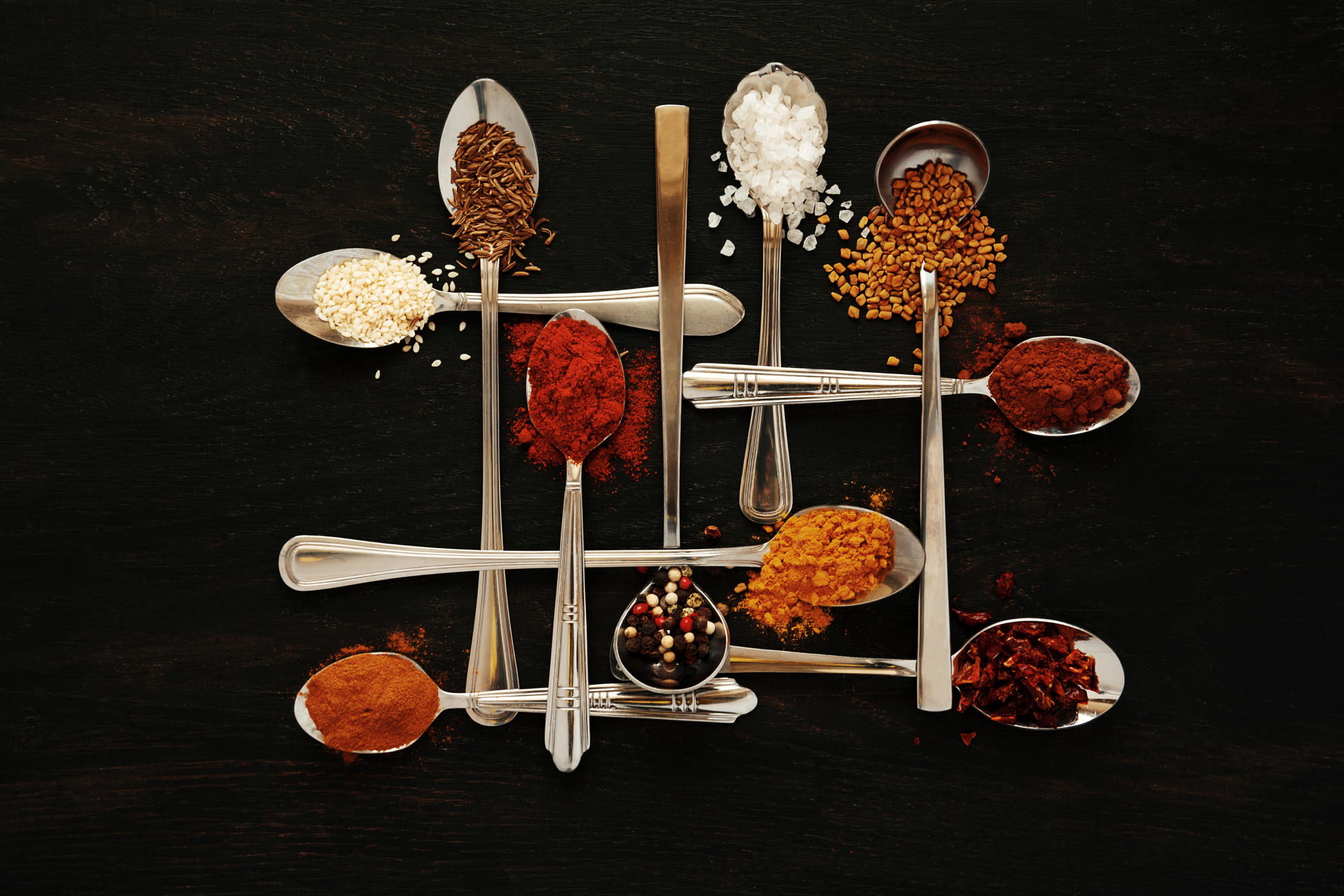
The majority of spices come from the Middle East, and were already used in ancient times by the Egyptians. They can be derived from seeds, fruits, flowers, leaves, bark, or bulbs, and add personality to the fragrances. Spices can be classified into two categories: hot spices and cold spices. This classification has persisted since Ancient Greece, which had the custom of distinguishing plants that were sources of freshness or warmth, just as traditional Chinese medicine does.
Hot spices
Among the hot spices found in perfumery are pepper, cinnamon, chili peppers, nutmeg, and saffron.
The spices
Pepper can be green, black, red, or even white. Depending on its level of maturation, the pepper changes color. It brings a note of lightness and spiciness. It is mainly found in perfumes with oriental notes.
Cinnamon
Cinnamon is considered one of the oldest spices in the world. It is mainly cultivated in Sri Lanka. It is found mainly in sticks or powder form. Its powerful spicy fragrance has vanilla and sweet notes, and its warmth reminds of clove powder.
The pepper
Pimento is mainly produced in Jamaica and is the most consumed spice in the world. It was brought to Europe by Christopher Columbus during his first voyage to America. Its fragrance is powerful and warm, enhancing and amplifying certain notes, especially floral and herbaceous ones.
The nutmeg nut
Nutmeg originates from Indonesia, where it was chewed to have a fresh breath. It has an exotic, earthy, camphoraceous note, and like cinnamon, clove can be perceived.
Saffron
Nicknamed «red gold», saffron, native to Greece, is the most expensive spice in the world. Its aroma is very powerful with a leather note. Saffron remains relatively little used by perfumeries, but it pairs perfectly with floral and warm notes.
Cold spices
Among the cold spices, we find ginger, pink pepper, coriander, and cardamom.
Ginger
Ginger is a plant native to Asia and known for its aphrodisiac properties. Its fragrance is spicy, herbaceous, and fresh. Ginger is often associated with floral fragrances and oriental perfumes.
Rose pepper
Contrary to its name, pink pepper is not considered a «real» pepper. However, it has a spicy flavor and originates from South America. Pink pepper is commonly paired with citrus notes to make them refreshing.
Coriander
Originating from the eastern Mediterranean, coriander is mainly grown in Europe and Russia. The aroma of this aromatic herb is similar to that of citrus fruits, with its lemony and fresh notes. In perfumery, coriander is more commonly used for masculine fragrances.
Cardamom
Cardamom is a cousin of ginger and is cultivated in Indonesia, Guatemala and India. Its notes are spicy, camphoraceous and woody. Cardamom enhances fresh, spicy and oriental flavors.
Many spices are also used in perfumery, such as cumin, cloves, nutmeg, or aniseed-flavoured berries.