On November 11, 1918, the end of the «Great War» and of four years of conflict that left a long mark on memory was marked.
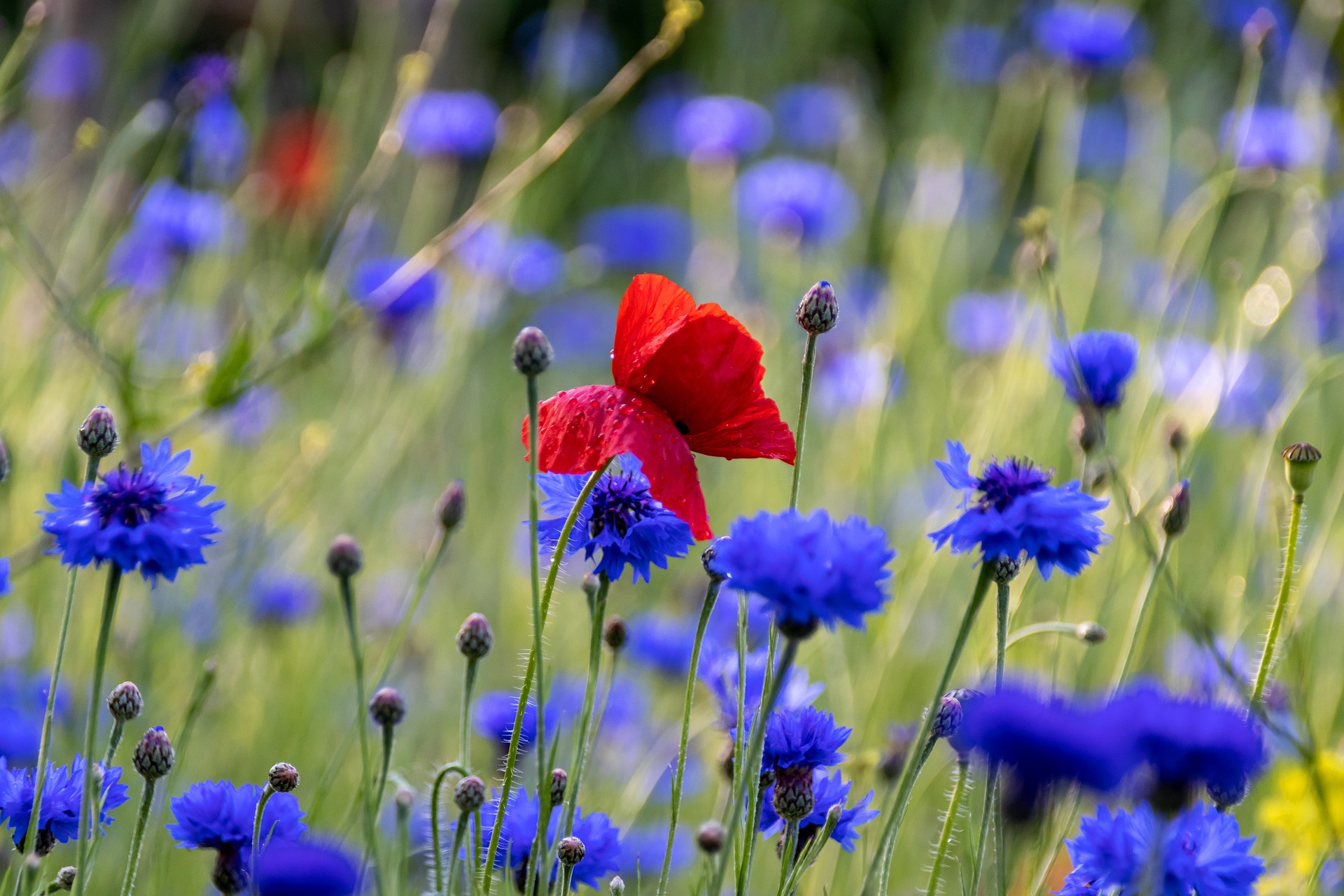
Symbol of this tragic period: the Bleuet de France, In memory of this flower that grew in the trenches and whose color recalls the ones that were nicknamed «the Poilus». In order to raise funds for the great war wounded, two nurses took the initiative to have it made in fabric by the convalescent soldiers so that they could be sold to the public. Long forgotten by the general public, the Blazing Flower has been more willingly displayed on commemorative days in recent years, with the aim of popularizing it as a symbol of solidarity towards veterans, but also towards war victims and terrorism. In the Commonwealth, and particularly in England and Canada, it is the famous Poppy (daisy) which symbolizes the memory of soldiers who fell in battle. Every year, a fundraising campaign is organized, personified by wearing a paper daisy.
Some perfumes from that era...
In 1914
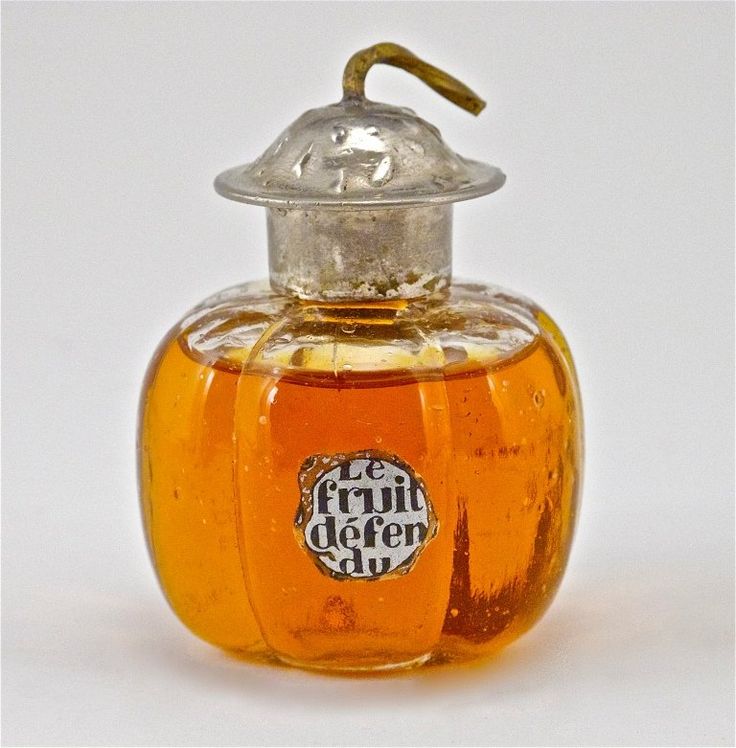
The Fruit Defended (Parfums de Rosine)
A few violets (Houbigant)
In 1915
Tilleul (from Orsay)
Mystery (from Orsay)
In 1916
Colonia (Acqua di Parma)
Love only me (Caron)
In 1917
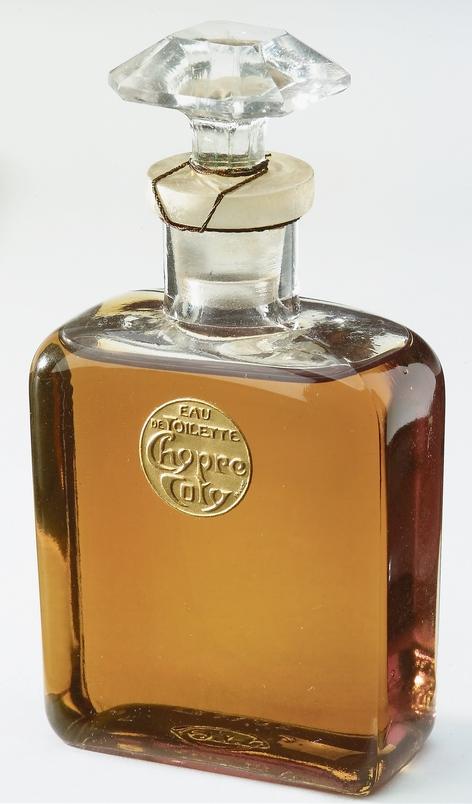
Cyprus (Coty)
Scented peas (Guerlain)
The end of the conflict has certainly caused a shock, and the visceral need to quickly forget the suffering experienced by soldiers and civilians.
This turning point in society thus gave rise to the Years of Madness, A veritable social and artistic fireworks display, with Paris as the world capital: place for freedom, short hair, and a body liberated from the last corsets; place for jazz and the charleston that opens a cultural frontier with the United States.
In 1919, Two perfumes that have become mythical are born, as a promise of better tomorrows: Mitsouko (Guerlain) and Tabac Blond (Caron). The women who participated in the war effort in the factories assert themselves without taboos and claim equality with men: in these two works, the girls find the affirmation of a joyful and assertive sensuality.
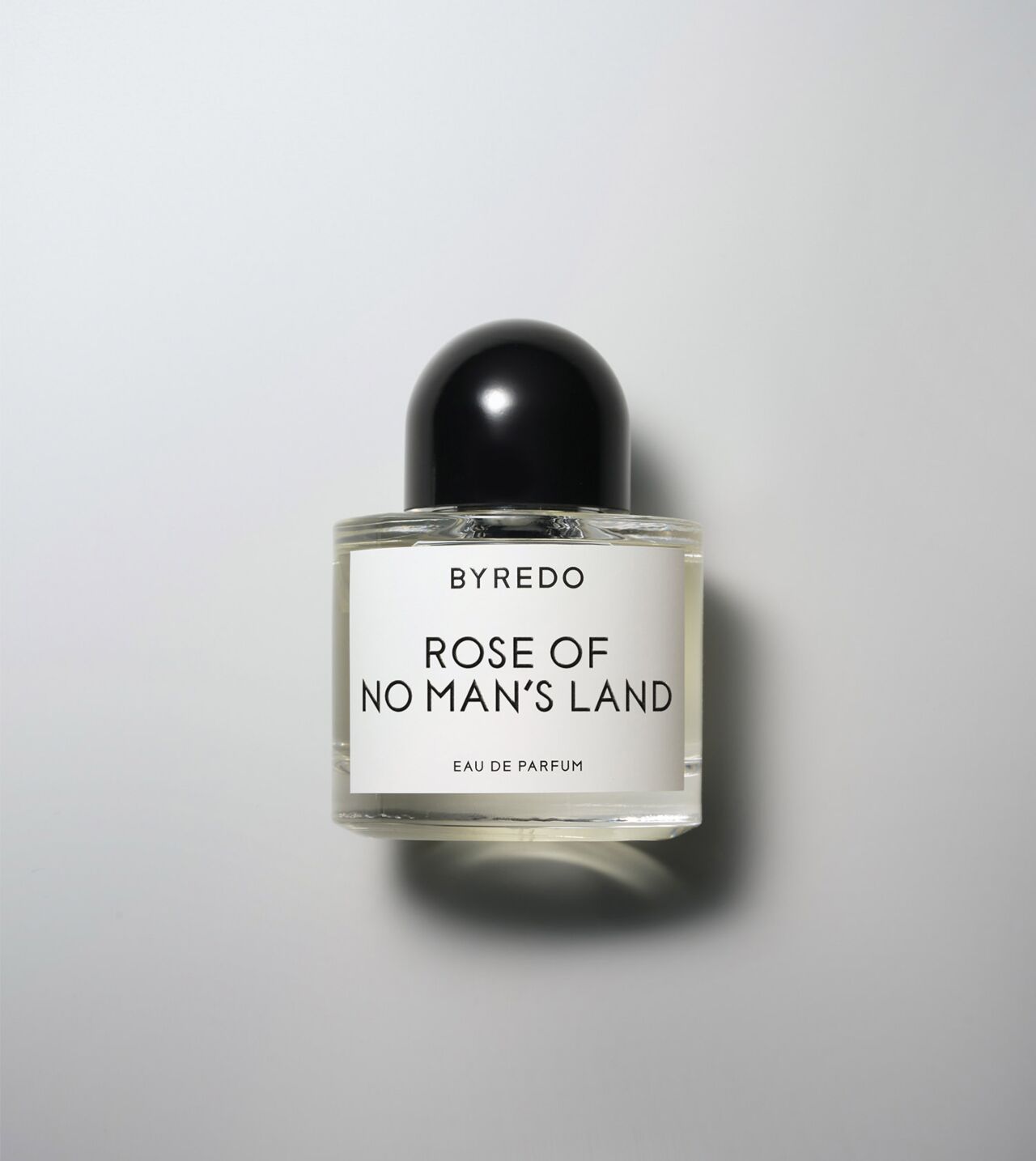
It should be noted that in 2015, Byredo has released Rose of No Man’s Land, taking up the nickname given by the British soldiers to the nurses who cared for them.