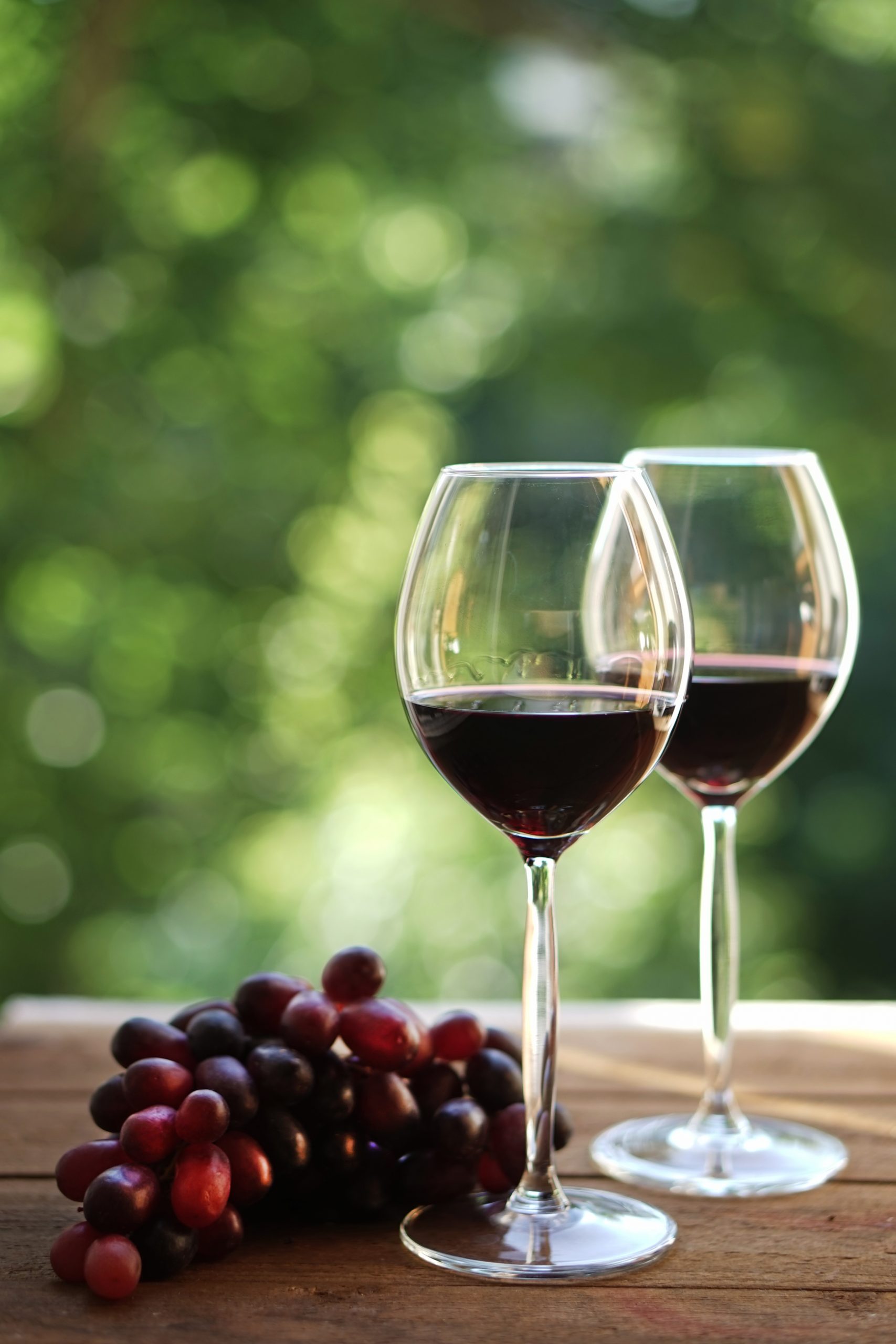
Wine is not just a matter of taste! It is also a matter of the nose, and even of two noses! During the tasting of a glass of wine, our sense of smell is on high alert. Indeed, our nose discerns the aromas that make up the wine, and this is how the olfactory analysis begins.
This olfactory analysis is carried out in two stages: this is what is called the first nose and the second nose.
A simple wine has 4 to 5 aromas, while a complex wine has more than 10 aromas.
The first nose:
It is during this first stage that we perceive the wine. We hold our glass by the foot so that it does not expose itself to the air during the aeration process and thus avoid that our body odors mix with those of the wine and interfere with our analysis. The first nose helps us to identify its defects even before tasting it, such as the taste of vinegar, cork, or oxidation. This allows us to perceive the primary aromas of the wine, the most pronounced ones. These aromas are classified according to several aromatic families: floral, fruity, vegetal, spicy, woody, or mineral. This first stage facilitates the identification of the grape variety, as is the case with Pinot Noir, for example, which is easily recognizable by its aromas of red fruits.
The second nose :
For this second olfactory contact, you need to stir your glass of wine to aerate it. This oxygenation phase allows all the aromas of the wine to be released. After identifying the aroma family through the first nose, it is possible to determine the more specific aromas. For Pinot Noir, one can distinguish the cherry, the raspberry, or even the blackcurrant during the second nose. If the aromas are less intense than during the first nose, it means that the wine is still young and can still change. If during the two stages the aromas are similar, it means that this is the opportune moment to taste the wine; it is at its peak! Conversely, if the aromas of the second nose are weaker compared to the first nose, it means that the wine is in its decadent phase, and unfortunately, it will no longer gain in character even if it remains consumable!
The olfactory analysis is complete; it’s time to move on to the tasting!
The olfactory analysis of a wine is often considered by oenologists to be a poetic and exhilarating experience.
The first nose is first and foremost the first aromatic encounter with the wine. It reveals its general character as well as its flaws. This first impression is confirmed or not during the analysis of the second nose. In both noses, the description of the aromas takes us back to our olfactory memory, which we built up throughout our lives. During the olfactory analysis, we must go back to this memory to find the corresponding aromas.