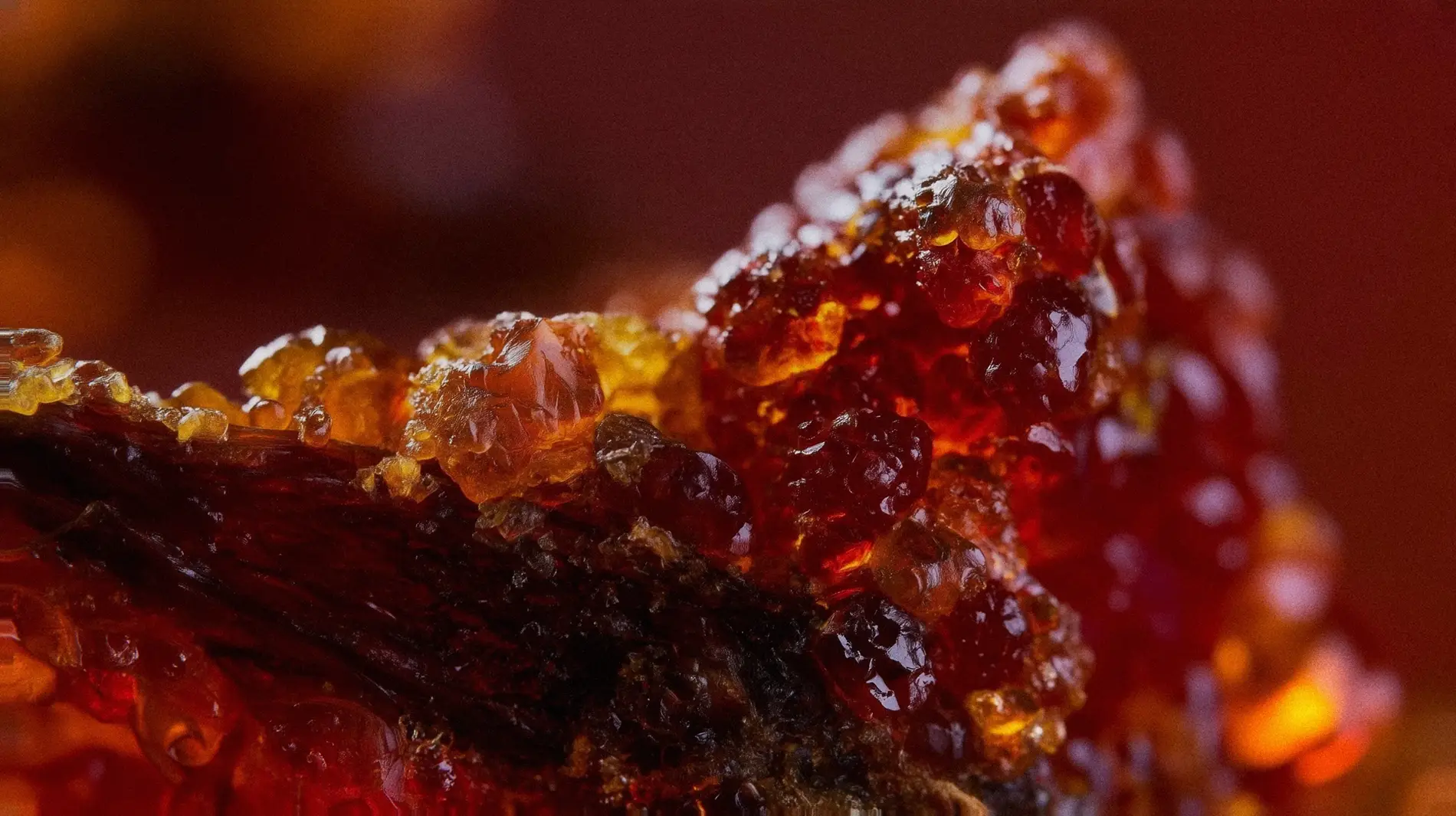
What is olfactory marketing?
Aromatherapy is a technique that relies on the use of scents to influence consumers or visitors of a given place, such as a hotel, a store, a museum, etc. By stimulating the sense of smell, it allows for the creation of a unique sensory experience, aimed at strengthening a brand’s identity, the attachment that its customers have to it, and ultimately, changing their emotions or purchasing behaviors.
It would be wrong to believe that the use of scents for commercial purposes is a recent marketing technique. Since ancient times, Egyptians, Greeks and Romans used scents in public baths, theaters or markets. They burned resins and fragrant herbs to create pleasant atmospheres and encourage visitors to stay longer. It was also common to scent homes, streets and even amphitheaters during public games.
With the evolution of broadcasting techniques and knowledge in neuroscience, these ancestral practices have subsequently given rise to modern olfactory marketing. Today, it is used in a more strategic and scientific way, but the idea remains the same: stimulating the sense of smell to influence emotions and the customer experience. A technique that is thousands of years old but still as powerful as ever!
What are the benefits of olfactory marketing?
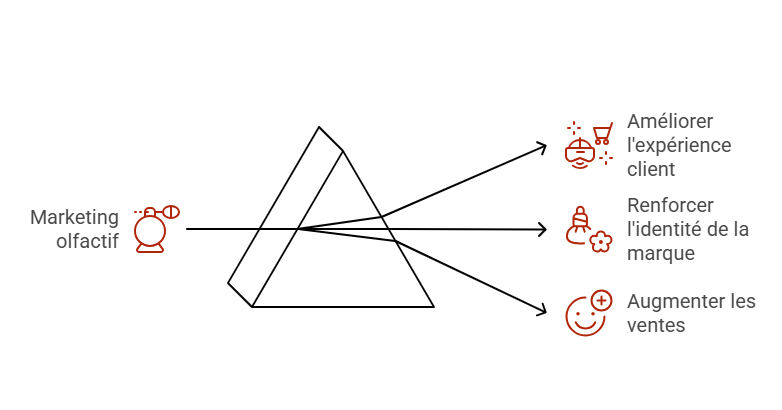
- Improving the customer and user experience: Well-designed olfactory ambiance transforms a simple walk through a store into a unique immersive experience that can be imprinted in the memory and subconscious of a passerby. A pleasant scent will indeed strengthen the sense of well-being, prolong the customers’ stay and ultimately improve the perception of the place, whether it is a retail store, a workplace or a place of passage.
- Strengthening the brand image: An olfactory signature allows a company, community or institution to stand out. In the same way as a visual logo, a specific fragrance becomes a reference for customers. Some luxury brands thus use exclusive fragrances to associate a scent with their identity.
- Promote loyalty and increase sales: Many studies show that olfactory marketing positively influences purchasing behavior. A scented store can see sales increase by up to 11%. Moreover, since olfactory memory is very powerful, a familiar scent encourages customers to return. Nike conducted a study in its stores, showing that olfactory marketing had a positive impact on the desirability of shoes among 84% of consumers, and that they were willing to pay between 10 and 20% more in an environment that had worked on its olfactory ambiance.
What is olfactory marketing for?
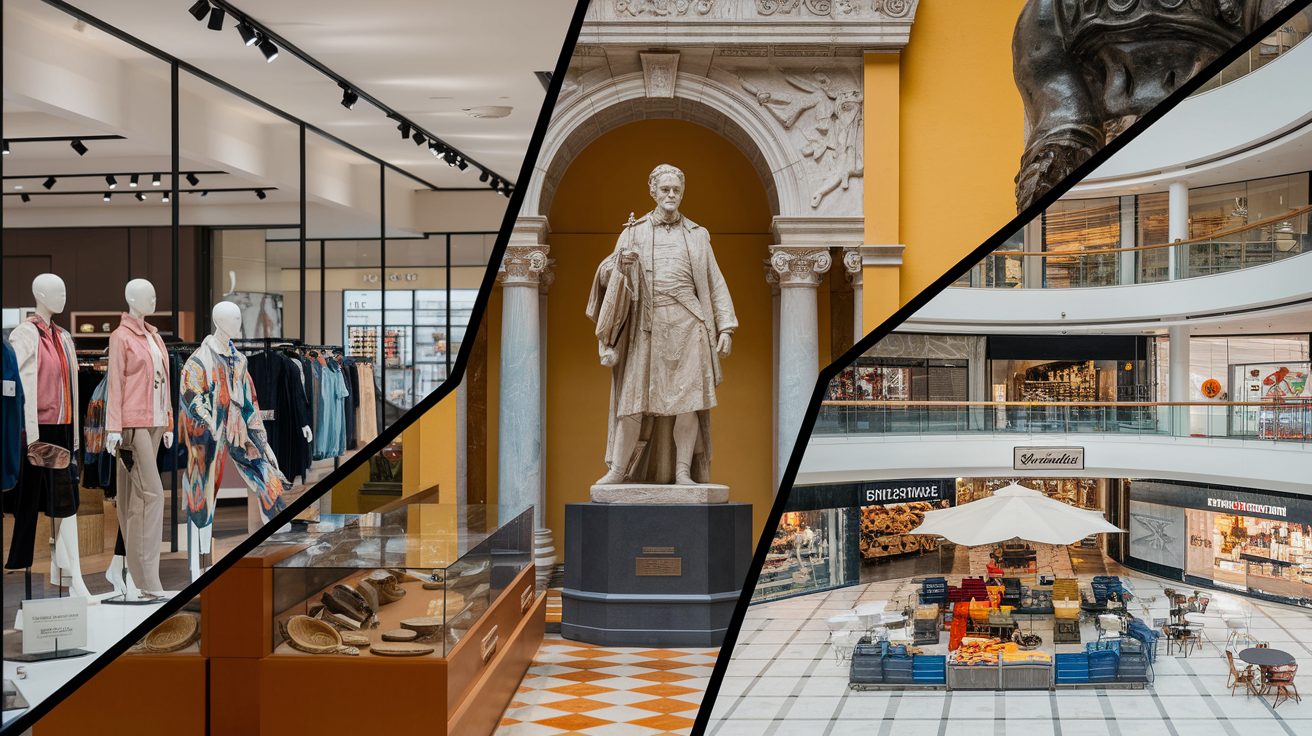
For all places that receive the public! Whether it is to promote a purchase, improve their image, enhance an experience or well-being, any place can use olfactory marketing to its advantage.
- Museums and cultural venues: These companies will be able to use olfactory marketing to enhance the visitor experience and make the visit more immersive: a woody scent in an exhibition about the forest, a marine scent for an oceanographic exhibition, etc.
- Retail stores and brands: Whether in fashion, perfumery, or food, brands use ambient scents to create a welcoming atmosphere and, if possible, in connection with their business: a clothing store can broadcast a scent of clean cotton, while a bakery will rely on the smell of warm bread to stimulate a desire to buy.
- Shopping malls and event spaces: They can integrate olfactory diffusers to make their environment more pleasant, and make an experience that can sometimes be stressful (noise, crowds) more serene, thus encouraging consumers to stay longer.
How does it work?
The diffusion technologies
Aromatherapy marketing relies on several diffusion techniques:
- Electric diffusers Integrated into ventilation systems, they ensure uniform distribution in all directions.
- Sprays and sprays Perfect for occasional broadcasts.
- Perfumed objects : scented cards, samples or packaging infused with a fragrance. They will have a more localized diffusion.
Dosage and control of scents
Excessive diffusion can become uncomfortable. It is crucial to adapt the dosage to the spaces and expectations of the public. A restaurant will prefer a light diffusion to avoid interacting with the flavors of the dishes, while a luxury boutique may opt for a more present scent.
Aromatherapy Marketing: Examples of Implementation with Cinquième Sens
Senalia: strengthening identity and well-being at work
- The context: the creation of a new office building for the logistics company in Rouen
- The goal: to create an olfactory ambiance designed to improve the well-being and sense of comfort of customers and employees
- The brief: a fragrance that evokes warmth, encounter and the earth-sea dimension
- The answer, with Alice Dattée, Perfumer-creator: “For this mission, we have proposed several fragrances, which we submitted to the vote of the employees, in order to involve them in this choice, knowing that they are present on a daily basis in these premises. The selected fragrance consists of woody, powdery and musky notes, designed using maple, meadow flowers, vetiver, iris and Tonka bean. The diffusion is carried out using dry diffusion devices, hidden in the ventilation system. For offices, we recommend not perfuming all the rooms, but creating places with and without perfume, which allow us to rediscover the fragrance throughout the day”.
Nouvelles Galeries, Annecy: an atmosphere that changes with the seasons
- The context: the opening of a new commercial space will take place in June 2022 in Annecy under the name “Nouvelles Galeries”.
- The goal: to give visitors the feeling of being relaxed, calm, and ideally rejuvenated
- The brief: to create an olfactory ambiance that evolves throughout the year, with a fragrance for each season
- The answer, with Camille Leguay, Perfumer-creator: “In this competition, we won the fragrance of the summer season. To do so, we had to imagine a scent that would make this place not only practical and functional, but also a slightly magical place where the unexpected happens and generates positive and generous emotions. For the summer, we therefore proposed a fragrance called “Herbe Coupée”, for which I imagined a fresh scent, the scent of the wind coming from the meadows and the mountains that surrounds Lake Annecy”.
Discover olfactory marketing with Cinquième Sens
With our Training in olfactory marketing , Discover how the sense of smell can lead you through the tip of your nose! A two-day training for professionals in sales, communication or marketing, retail, design and healthcare, which will allow you to perfect your knowledge of the world of smells and discover how to apply olfactory marketing to your sector of activity.
How can the effectiveness of olfactory marketing be measured?
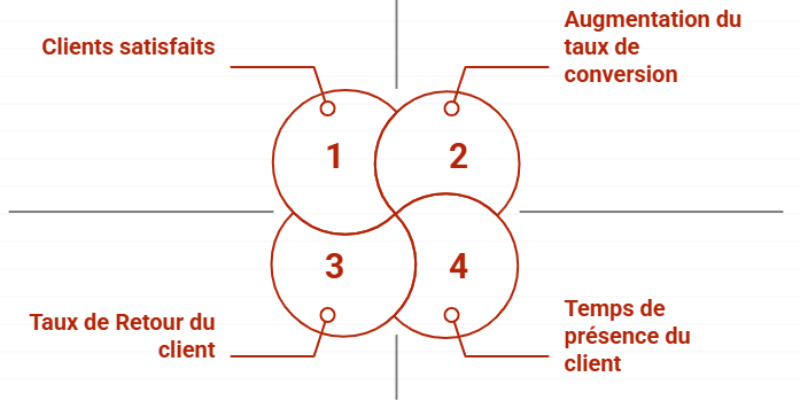
When an olfactory marketing strategy is implemented, several key indicators allow us to assess its impact:
- The time spent: this indicator will provide information on the average time a customer spends in a point of sale, and can thus show the effectiveness of the device in terms of retaining consumers in a sales location.
- The conversion rate: it is the percentage of visitors who make a purchase. The distribution of carefully selected perfumes can stimulate the desire to buy and improve this rate.
- Customer satisfaction: This indicator is generally measured through surveys and customer feedback. An immersive and pleasant sensory experience fosters a positive perception of the store or brand.
- Return rate: It reflects the proportion of customers who return after a successful first visit. A memorable olfactory environment contributes to customer loyalty and encourages repeat visits.
Conclusion
Aromatherapy is a powerful tool for companies or institutions that want to improve their brand image and increase their sales. When used properly, it creates a unique sensory atmosphere, positively influencing the customer experience and loyalty. Integrating an olfactory strategy into a point of sale or service area becomes an indispensable tool for differentiating themselves from the competition and making a lasting impression on the minds of consumers.